Understanding Natural Approaches to Men's Well-Being
An educational resource exploring lifestyle practices, plant-based routines, and everyday habits that support general wellness.
Educational content only. No individual recommendations provided.

An educational resource exploring lifestyle practices, plant-based routines, and everyday habits that support general wellness.
Educational content only. No individual recommendations provided.
Natural lifestyle refers to everyday practices that align with nature-based principles. This concept encompasses various aspects of daily routines, including nutrition choices, physical activity patterns, and rest cycles.
Many cultures around the world have developed their own understanding of what constitutes a balanced approach to daily living. These perspectives often emphasize harmony with natural rhythms and the incorporation of plant-based elements into daily routines.
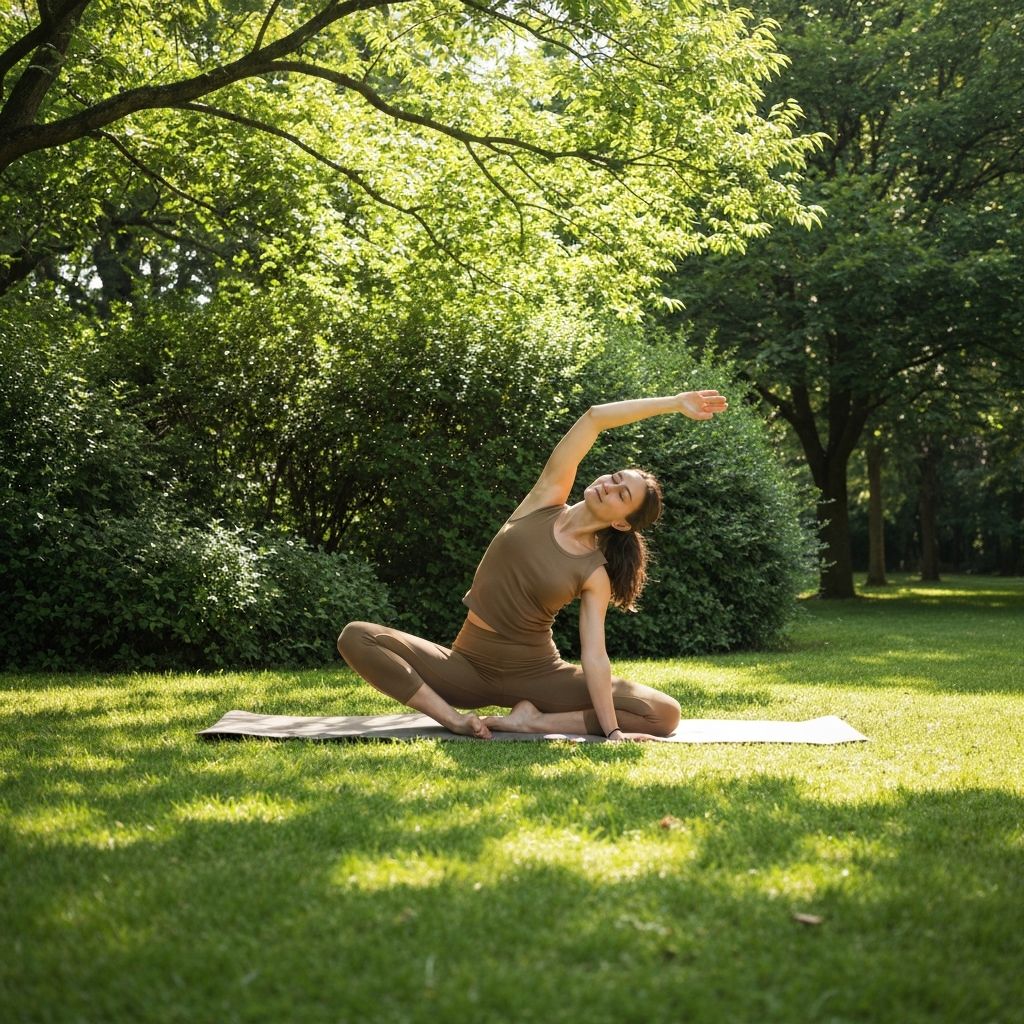
Men's wellness is a broad topic that encompasses physical, mental, and social aspects of everyday life. Understanding these dimensions can help individuals make informed observations about their own daily experiences.
Various factors influence general well-being, including sleep patterns, nutritional choices, physical activity levels, social connections, and stress management approaches. Each of these areas has been explored extensively in educational literature.
It is important to note that individual experiences vary significantly, and what works for one person may not be suitable for another. This educational resource aims to explain concepts rather than provide specific guidance.
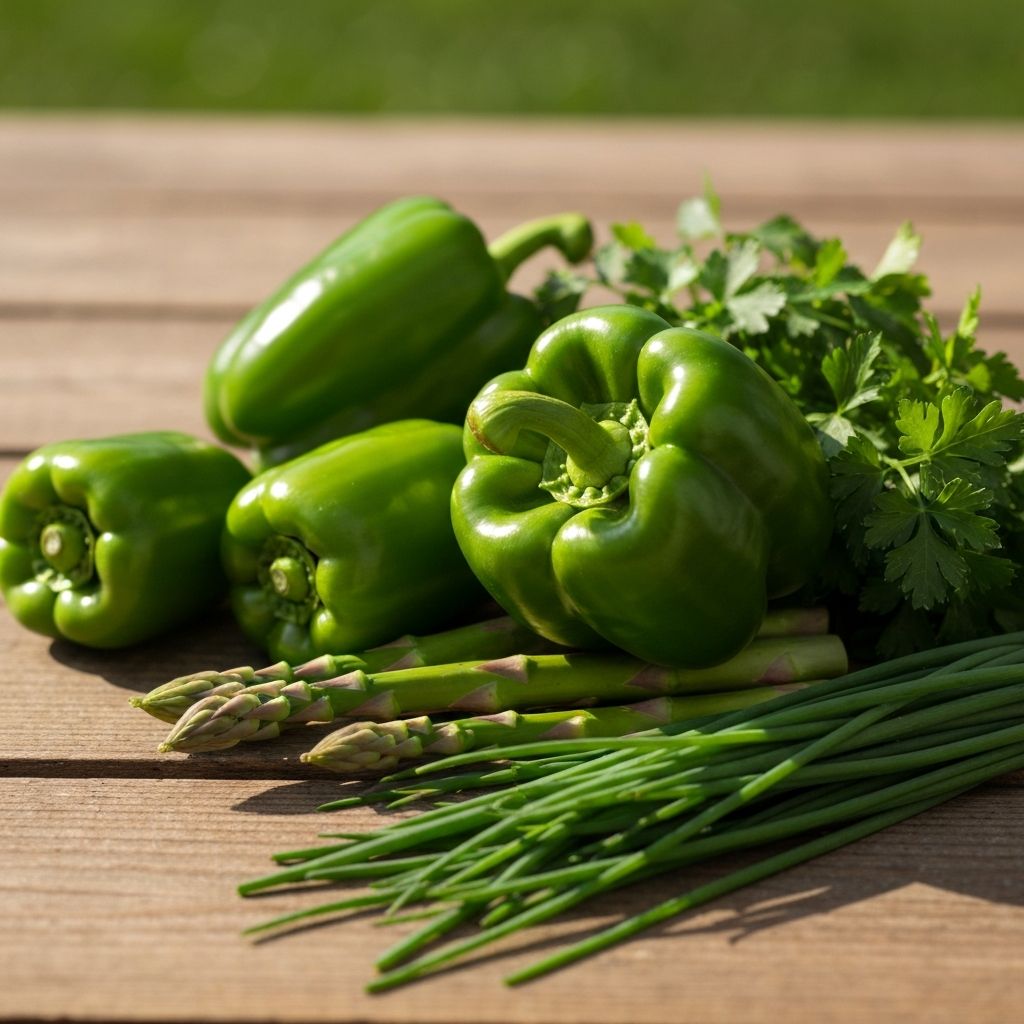
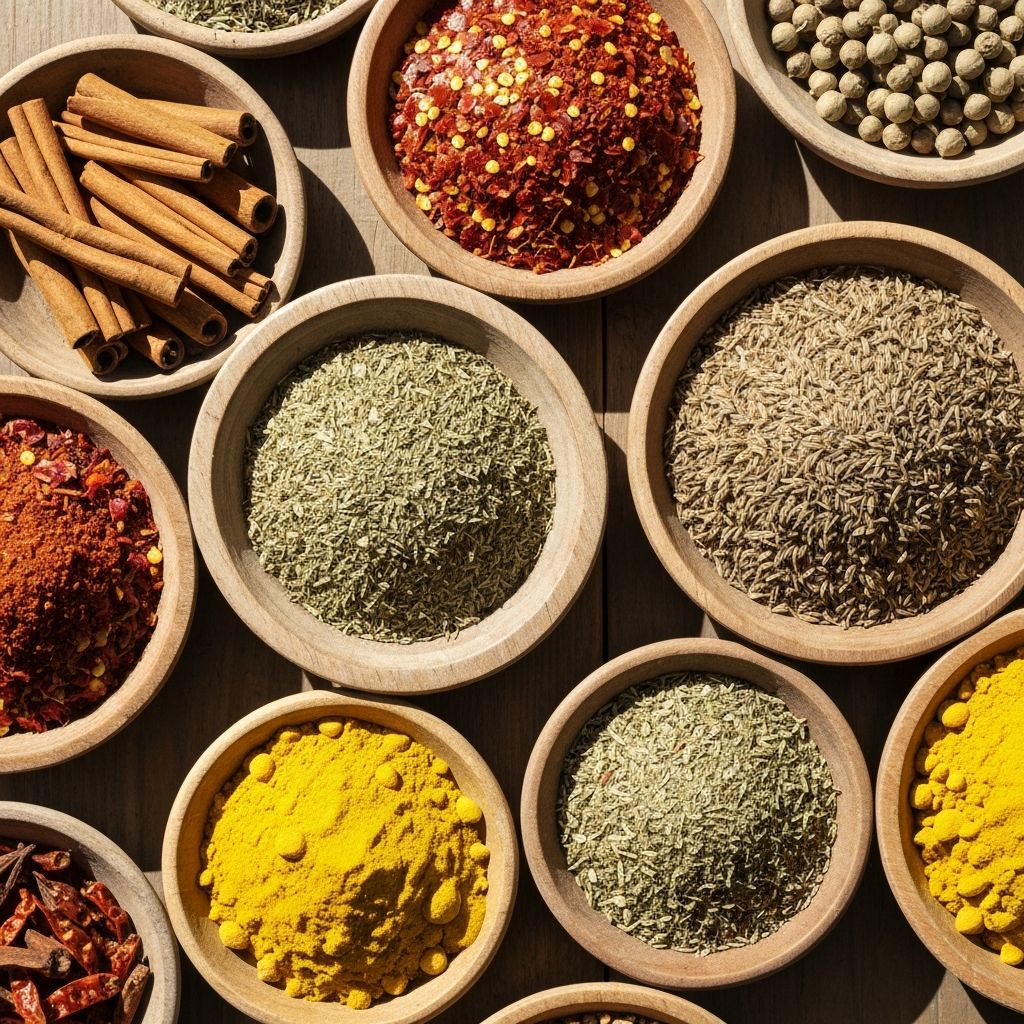
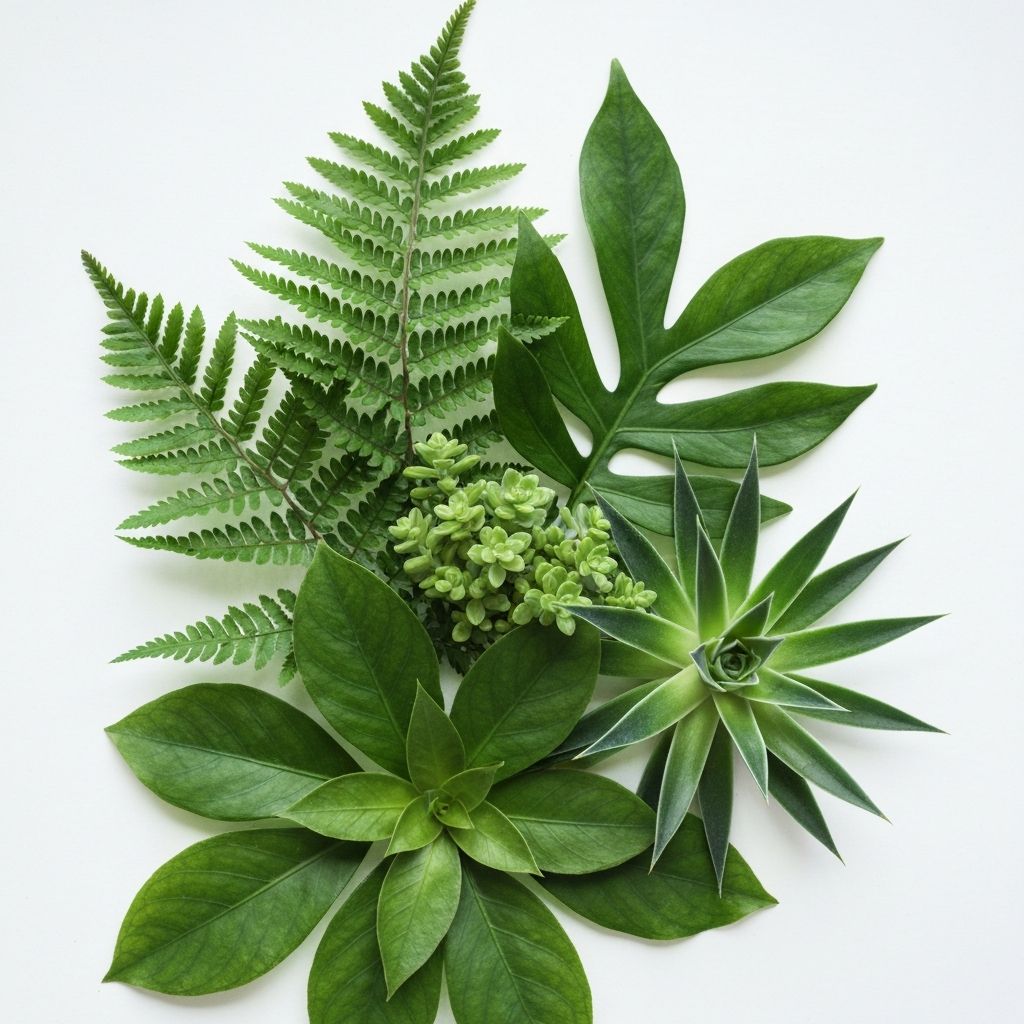
Plant-based routines have been part of various cultural traditions for centuries. These practices typically involve the incorporation of herbs, vegetables, fruits, and other plant materials into daily life.
Different regions around the world have developed unique approaches to using plants in everyday contexts. From traditional Indonesian practices to European herbal traditions, the diversity of plant-based routines is extensive.
Educational exploration of these topics can provide interesting insights into how different cultures have approached the concept of well-being throughout history.
Daily practices form the foundation of any lifestyle approach. These may include morning routines, meal timing, physical movement patterns, and evening wind-down activities.
Observational studies have noted that consistency in daily habits is often associated with a sense of structure and routine. However, individual preferences and circumstances greatly influence what practices are practical for each person.
Understanding the general principles behind various daily practices can be informative, even though specific applications will differ based on personal situations.
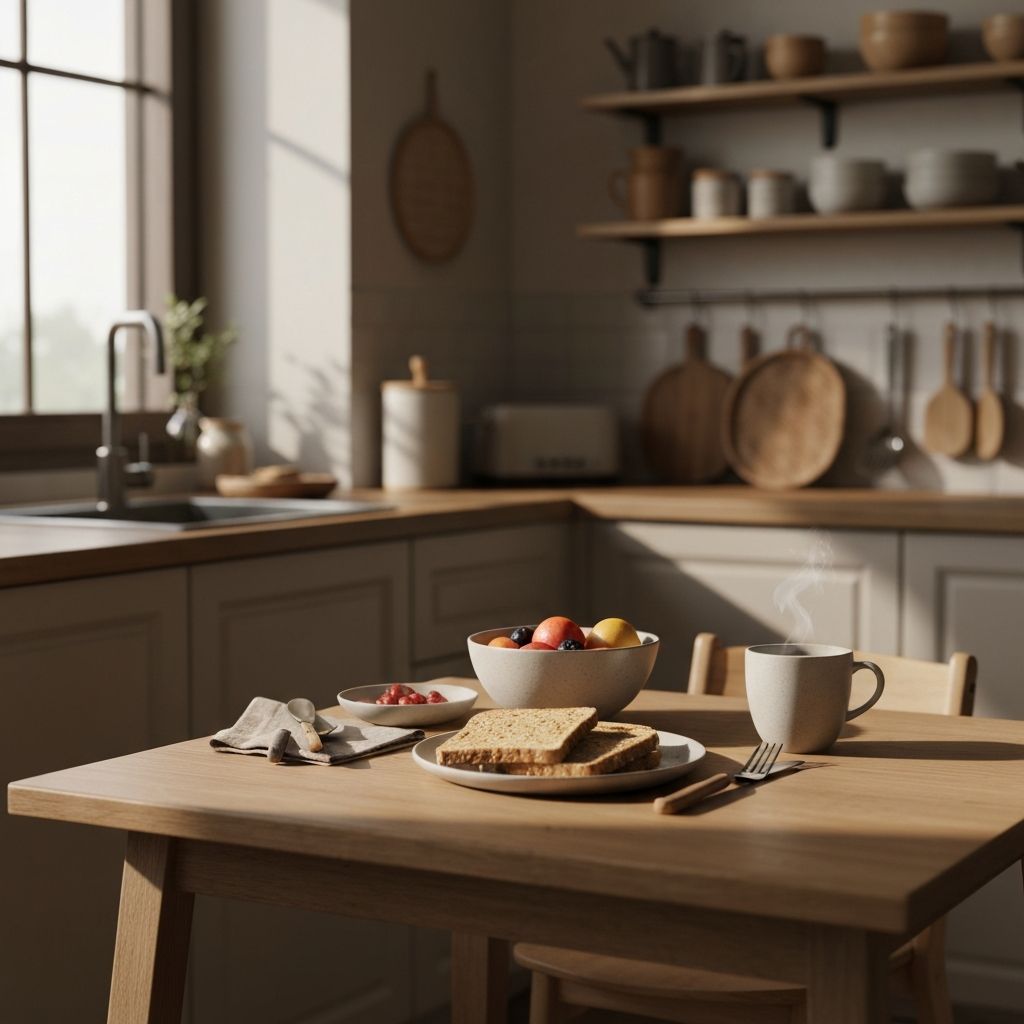
Nutritional awareness involves understanding the role that food plays in daily life. This includes knowledge about different food groups, meal composition, and eating patterns.
Various educational resources discuss the importance of balanced nutrition as part of overall lifestyle considerations. These discussions typically cover topics such as macronutrients, micronutrients, and hydration.
It should be noted that nutritional needs vary based on numerous factors including age, activity level, and individual circumstances. General educational information should not be confused with personalized advice.
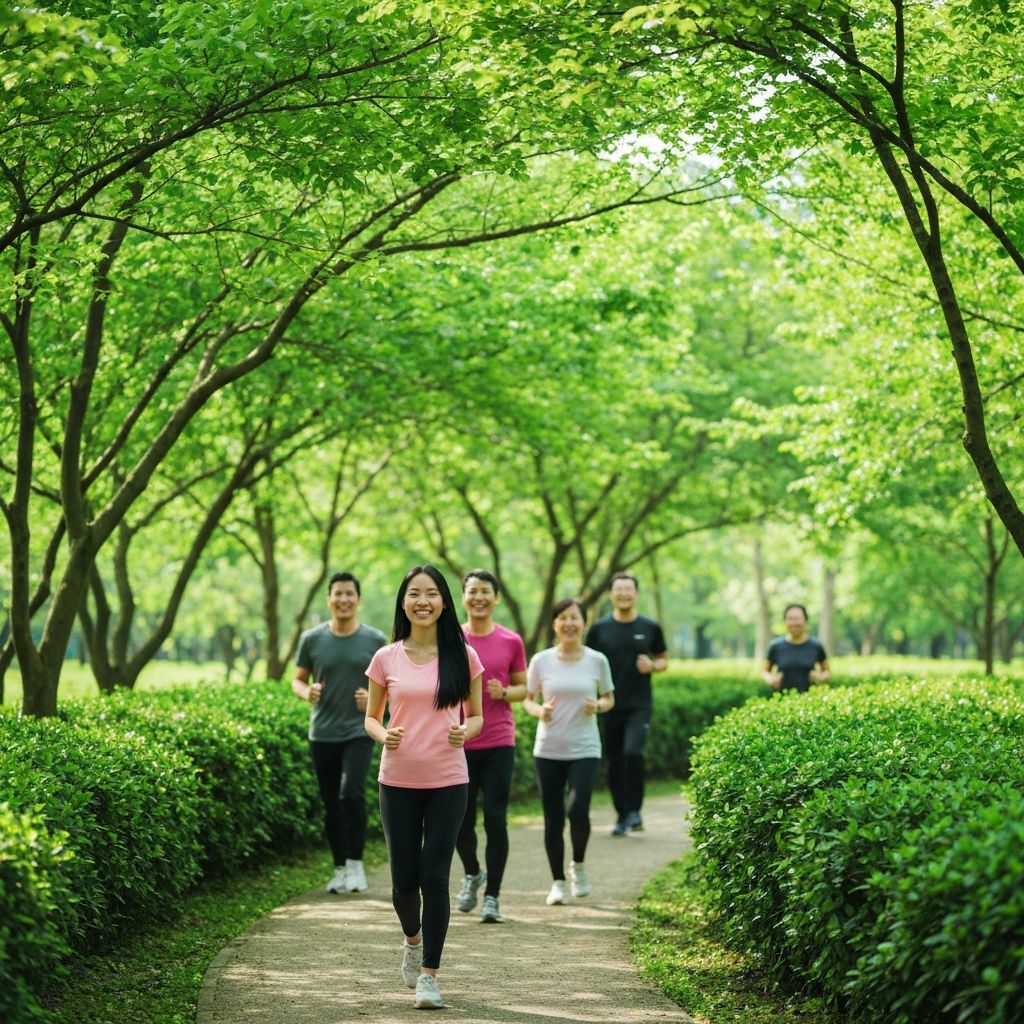
Physical activity is widely discussed in wellness literature as an important component of daily life. Different types of movement serve different purposes and can be categorized in various ways.
Common categories include cardiovascular activities, strength-based movements, flexibility exercises, and balance-focused practices. Each type has been studied and described in educational contexts.
The variety of physical activity options means that individuals can explore different approaches based on their interests and circumstances. Educational resources can help explain these concepts in greater detail.
Rest periods are considered an important aspect of daily routines. Sleep quality and duration have been topics of extensive educational discussion.
Understanding stress as a concept can be informative. Various educational materials discuss how stress is perceived and experienced differently by individuals.
Social relationships are frequently mentioned in wellness discussions. The role of community and interpersonal connections is a common educational topic.
Different cultures have developed their own traditions related to well-being and daily living. These traditions often reflect local environments, available resources, and historical experiences.
Indonesian traditions, for example, have incorporated various local plants and practices into everyday life for generations. Similarly, other Asian, European, African, and American cultures have their own unique approaches.
Studying these diverse traditions from an educational perspective can provide interesting insights into the variety of human approaches to daily well-being concepts.
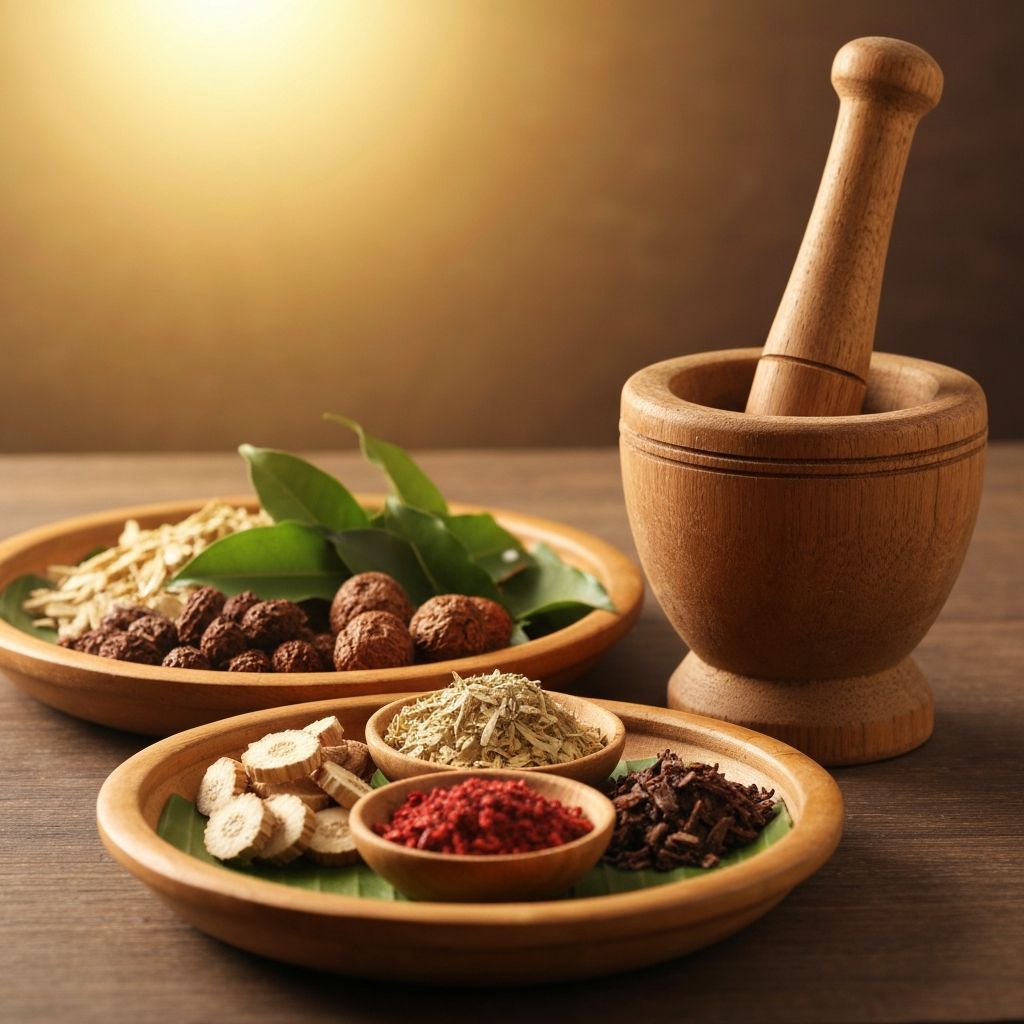
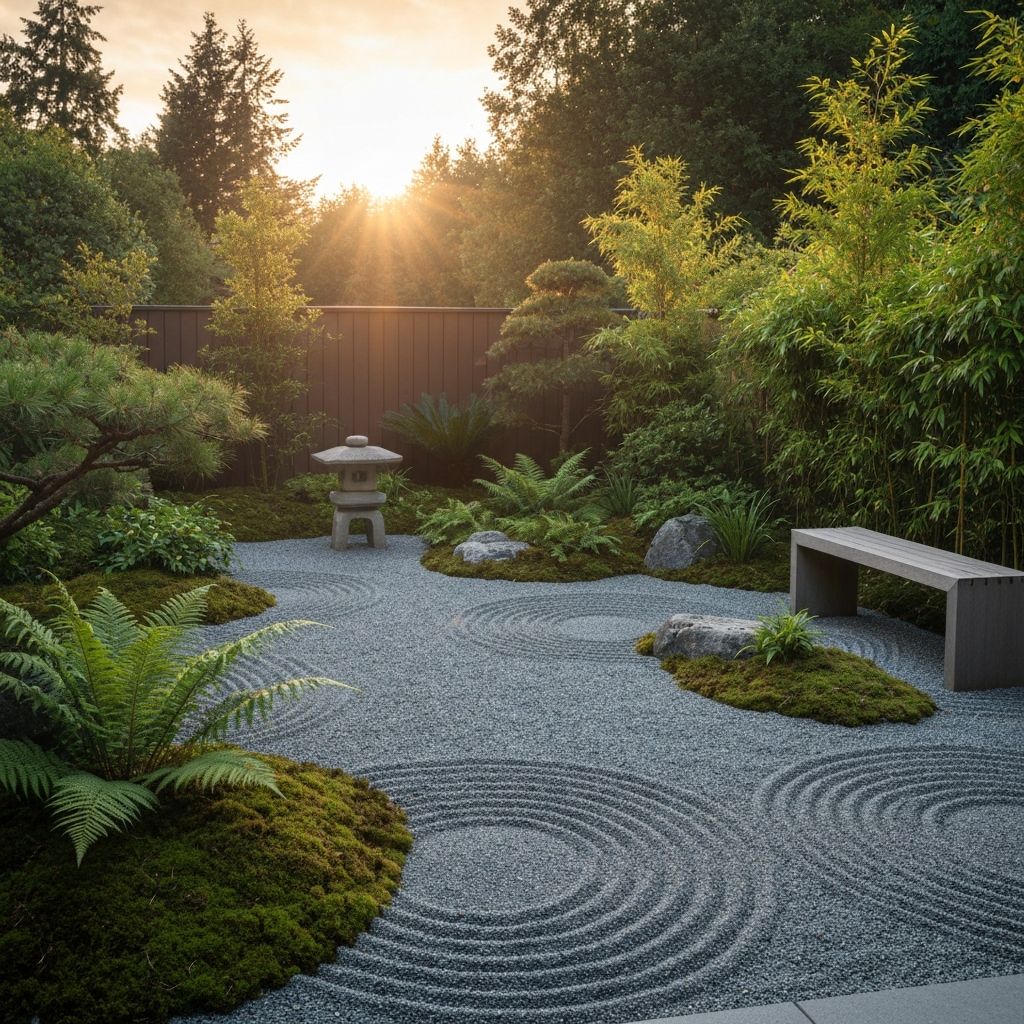
Mindfulness refers to a state of present-moment awareness that has been discussed in various educational and philosophical contexts. This concept has roots in multiple cultural traditions.
Educational resources often describe mindfulness as a skill that can be practiced through various techniques. These techniques are typically simple and can be incorporated into daily routines.
It is important to understand that mindfulness is a broad concept with many interpretations. Educational exploration of this topic can help individuals understand its various dimensions.
Environmental factors play a role in everyday experiences. These include the physical environment, air quality, access to natural spaces, and living conditions.
Educational discussions about environmental factors often explore how surroundings can influence daily experiences. Topics such as natural light exposure, green spaces, and indoor environments are commonly covered.
Understanding these environmental concepts can be informative for anyone interested in learning more about the various factors that are discussed in wellness literature.
The information presented on this website is purely educational in nature. It is intended to explain concepts and provide general context about natural lifestyle topics.
This content does not constitute individual recommendations or advice. Every person's situation is unique, and individual experiences vary widely.
The diversity of approaches to everyday well-being means that no single resource can address all perspectives. This educational material should not replace personal research or individual decision-making processes.
Explore more informative content about natural lifestyle concepts and everyday well-being topics.
Learn More About This TopicEducational content only. No individual recommendations. No promises of outcomes.